

Eucalyptus founder urges Australian start-ups to take risks
Wed, 21st Oct 2026 (Today)
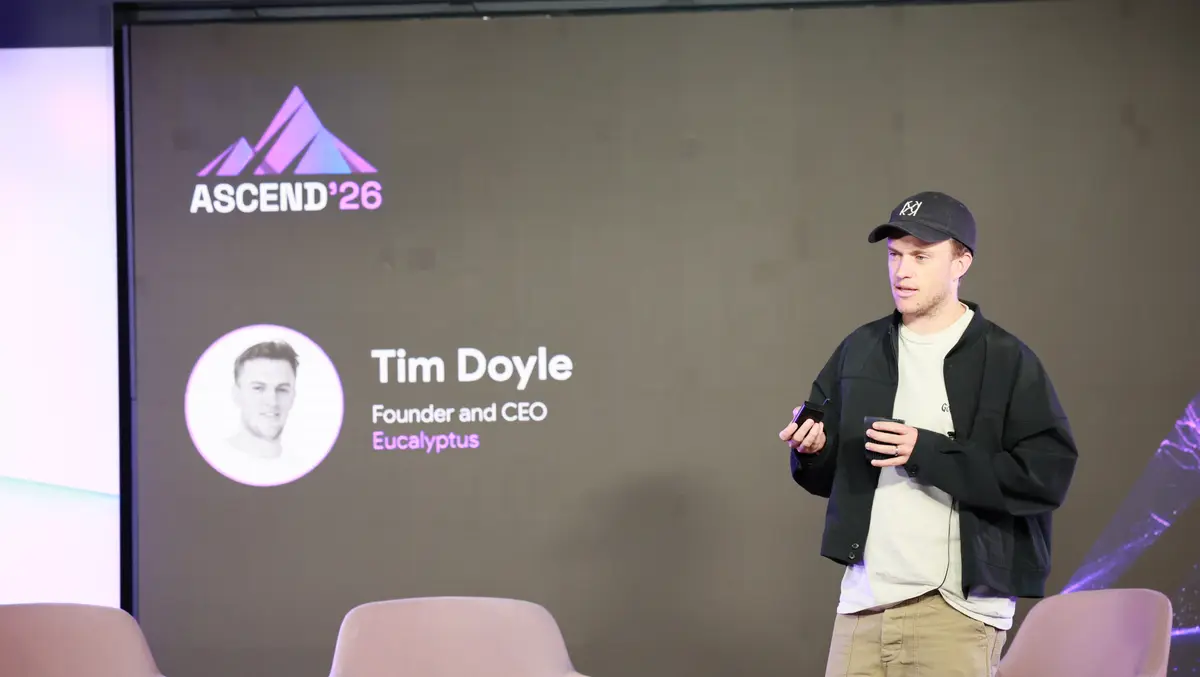
Eucalyptus founder and CEO Tim Doyle has urged Australian start-up founders to embrace high-risk strategic decisions, abandon struggling businesses when necessary and prioritise a potential exit.
Speaking at Google Cloud Ascend in Sydney, Doyle reflected on how the company pivoted from an eCommerce portfolio approach to weight management before being acquired by California-based telehealth firm Hims & Hers in a deal worth US$1.15 billion.
Doyle said Eucalyptus had succeeded despite getting many of its original strategic assumptions wrong, arguing that founders should focus on identifying a commercially viable market opportunity instead of attempting to build a business capable of doing everything.
Australian start-ups could learn from the willingness of US entrepreneurs to abandon unsuccessful ventures and pursue new opportunities, with too many local businesses continuing to operate without a credible path to significant growth.
From mattresses to digital healthcare
Before Eucalyptus was conceived, Doyle was Head of Marketing at mattress eCommerce company Koala, another Australian start-up success story.
Eucalyptus was initially planned to be part of a portfolio of profitable direct-to-consumer eCommerce businesses, with the potential to combine them into a larger Australian-listed company.
The strategy was based on the idea that multiple businesses could share capital and resources, creating a more resilient model than relying on a single large venture-backed company.
However, the approach ultimately proved unsuccessful.
The original thesis was attractive because it offered a different approach to building consumer businesses, but it underestimated the risks associated with relying on marketing to acquire customers across multiple brands.
Unlike investment in technology, which can generate compounding returns as products improve and become more valuable, marketing expenditure can produce diminishing returns as acquisition costs increase.
That vulnerability became apparent as the COVID-19 pandemic ended.
With customers spending less time on their phones, demand for preventative healthcare products weakened and customer acquisition costs on Facebook increased as retailers and travel companies returned to digital advertising markets, Doyle explained.
The combined effect rapidly undermined several businesses.
The company had reached approximately $100 million in revenue and was growing at around 100 per cent annually, but customer acquisition payback periods subsequently extended to 18 months.
Faced with a business consuming cash and an increasingly difficult path to sustainable growth, Eucalyptus had to choose between fundamentally changing its strategy and slowing its expansion.
Ultimately, it cut approximately 30 per cent of its workforce, a decision that Doyle said was very painful.
The turning point
Eucalyptus identified an opportunity in weight management after examining a potential acquisition in the nutrition sector.
Conversations with experts in the field convinced the company that obesity treatment could change substantially as new medications became available.
At the time, there were few people using the treatments in Australia, margins on the drugs were poor and there were questions about whether the services could be delivered effectively through telehealth.
Management, however, believed millions of people could eventually use the medications.
Then came the pivot. Eucalyptus redirected its attention towards weight management.
"If that bet doesn't work, we'll torch the entire thing and shut the business down," Doyle said.
But it did pay off, and Eucalyptus began to expand its weight management offering into international markets.
The company targeted smaller markets, seeking opportunities outside the US where it believed it could compete effectively against larger rivals.
Eucalyptus became a leading player in Australia, the UK and Germany.
By the end of 2024, Eucalyptus had generated approximately $200 million in revenue, of which about $150 million came from weight management.
Doyle said the weight management business had grown from scratch to $150 million in revenue in approximately 15 months.
The rapid expansion also required the company to change how it operated.
Where its earlier businesses relied heavily on marketing and customer acquisition, weight management depended on retaining patients and delivering outcomes over longer periods.
The company needed patients to remain engaged with treatment, creating a recurring-revenue model in which customer retention became as important as attracting new users.
Start-ups should narrow focus on what they do best
Eucalyptus' transformation also demonstrates the importance of avoiding unnecessary complexity when building a technology company.
As the business expanded, Doyle initially believed it needed to develop sophisticated internal systems, including ERP software, patient records and advanced tools to support behavioural change.
However, he concluded that these ambitions were less important than delivering a reliable customer experience, entering new markets successfully and providing effective services.
The company focused on building a capable technology platform rather than attempting to compete at the highest level across every technical function.
Founders often fall into the trap of trying to build the best possible marketing, human resources, finance, technology and supply chain operations simultaneously, Doyle said.
In practice, however, most successful companies excel in one or two areas that distinguish them from competitors.
For Eucalyptus, those strengths included launching operations in new markets and recruiting ambitious Australian talent to establish international businesses.
The company created opportunities for young professionals to take on significant responsibilities overseas, including establishing operations in Berlin.
He argued that Australian start-ups should place greater confidence in locally developed talent instead of looking to recruit executives from prominent American technology companies in the first instance.
Rather than prioritising an employee's experience at a well-known international business, founders should identify people with the motivation and ability to build something new.
Eucalyptus' appetite to back young, generalist employees had been a particularly successful part of its growth, Doyle said.
He also argued that founders should identify the capabilities that make their businesses distinctive and invest disproportionately in those areas.
Attempting to achieve excellence everywhere can divert resources from the areas of the company that actually determine whether it will ultimately succeed.
Exit should be part of the strategy
Another lesson Doyle imparted on founders is considering potential acquisition opportunities from the beginning of their businesses.
Venture capital creates a responsibility to generate returns for investors, either through a successful exit or by recognising when a business cannot deliver the expected outcome.
Instead of viewing a sale as a departure from a company's long-term ambitions, founders should understand how strategic decisions might affect its attractiveness to potential buyers.
Eucalyptus had continued growing rapidly when the acquisition opportunity emerged.
However, the prospect of future growth had to be weighed against the risks involved in continuing independently.
Founders can convince themselves that strong performance will continue indefinitely, but changing market conditions can quickly undermine even highly valued businesses.
Eucalyptus had developed capabilities that were particularly valuable to a buyer seeking to expand internationally.
The company had established operations across several markets and built a common technology platform that could make integration easier.
Those decisions helped position Eucalyptus for a transaction when the opportunity arose.
Closing a deal was still difficult and required substantial work, but maintaining awareness of potential exit pathways helped the company prepare.