

Exclusive: Peter Marrs of Dell Technologies discusses AI's 'evergreen' shift
Mon, 15th Sep 2025
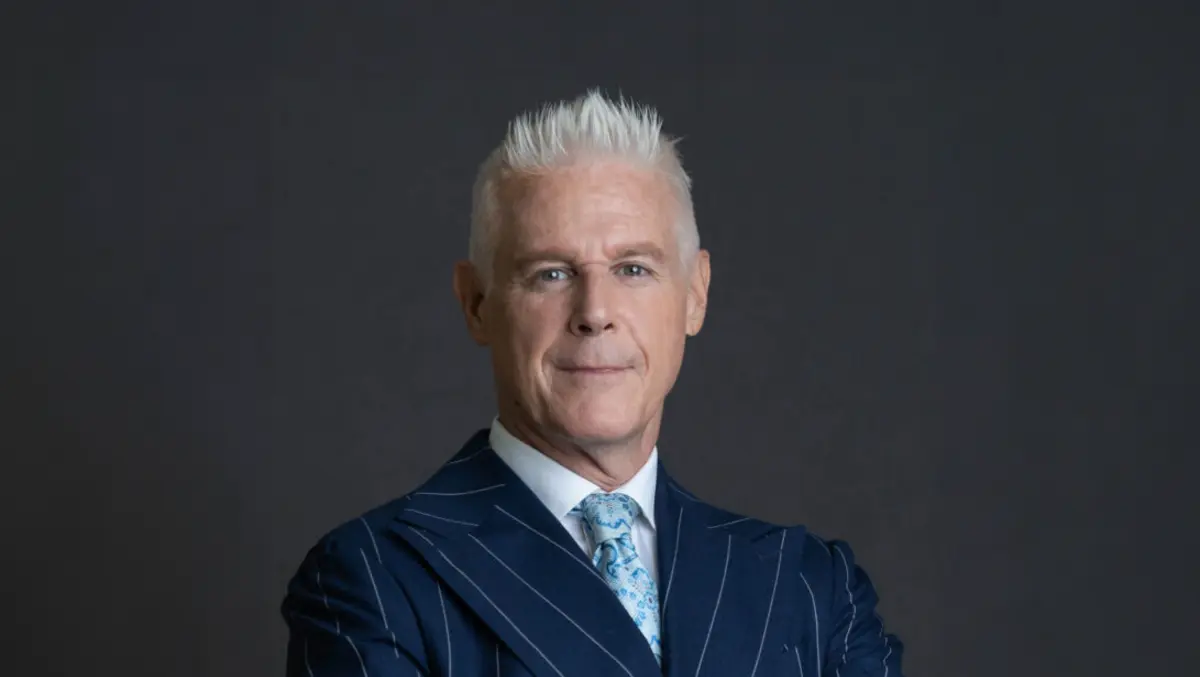
Peter Marrs, president of Dell Technologies for Asia Pacific, Japan and Greater China (APJC) - a region spanning more than 40 markets - shared his perspective on the future of AI during an exclusive interview at the Dell Technologies Forum in Sydney.
An industry veteran with over 30 years in IT, Marrs oversees Dell's strategy and growth across its technology portfolio, services and solutions in APJC. He highlighted the importance of having a strong strategy in place.
"When we built our AI strategy originally, we went out to the employees, got some feedback, and we came back with roughly 900 ideas," he said. "The leadership team said, 'Look, guys, we need to pick three or four things that are really important for us, that's going to create a differentiation for us and makes us more successful.'"
What are the four pillars of Dell's AI strategy?
Those four pillars now guide Dell's investments, focusing on manufacturing, product development, customer service, and empowering sales teams.
Marrs stressed that execution is as important as planning. "It's how you're going to use that chat bot to make people more productive, so I think this strategy is very, very important," he said.
He explained how Dell has built an internal platform to give salespeople tailored content.
"If our reps are talking to more customers more frequently, we're closing more business versus spending time to write emails, documentation, research," he said.
AI education and talent development
One of Dell's key initiatives is an AI innovation hub in Singapore, which collaborates with universities to educate 15,000 students as AI practitioners.
"It's not just learning about this or learning, they actually have a curriculum," Marrs said.
He added that Singapore's stance on sovereign AI sets an example: "From sovereign, what Singapore has done around putting a stake in the ground, around sovereign AI, and educating their people for the future to be participants, is really important."
Challenges facing enterprises
Marrs was candid about the challenges ahead.
"If your infrastructure today isn't structured the right way, it's not going to happen. Bad data in, is bad outcome," he said, underlining the need for robust data management before AI can deliver results.
Dell also supports enterprises concerned about regulation and security.
"We have a capable services organisation that can help customers do that," Marrs explained. "How do they secure their data? How do they structure their networks? Because AI data centres today are not necessarily AI ready."
Who is doing a good job with AI?
Asked which sectors are embracing AI most successfully, Marrs pointed to manufacturing, banking and healthcare.
"Manufacturing is one area where they're doing better, from yields to analysis of how they're manufacturing things, it's a big one," he said. "In banking, fraud detection is another big one. Healthcare, obviously we are all seeing better patient outcomes."
Dell is also working with Monash University on cancer research, deploying one of its AI factories to support breakthroughs.
Hybrid future and edge computing
Marrs predicted that AI workloads will increasingly be processed closer to the user.
"They think within four or five years, they think 70–78% of the computational will be done at the edge," he said. "We believe that there's always going to be a hybrid world, right, but with generative AI, we really believe that that's going to be on prem first."
Advice for businesses starting their AI journey
Marrs advised companies to start small but remain strategic.
"You have to have a definitive strategy for what you're going to do, and it should be correlated to what you believe or what you do as a company," he said.
He warned against rushing without direction: "People need to be diligent of not going on a goat rodeo, but focused on the strategy that you've defined."
For Marrs, the work is never done.
"It's evergreen, right? It's going to continue to evolve," he said, adding that Dell's cross-functional teams constantly review progress and refine processes.
"We're not doing it just for the fun of it. We're doing it to make us a better company."