

Otto & Restoke join forces on restaurant AI ordering
Mon, 24th Aug 2026
Otto has partnered with Restoke to connect its restaurant phone-ordering system with menu and operations data, linking front-of-house call handling with back-of-house decision-making.
The partnership lets Otto use Restoke's restaurant intelligence during live phone conversations, helping venues guide recommendations towards items they want to sell. That can include higher-margin products, menu lines they want to promote, and choices shaped by stock levels and operating priorities.
The move reflects a broader shift in hospitality software, as restaurant operators look for tools that do more than answer calls or process orders. By combining customer interactions with commercial data, the companies aim to address a persistent challenge for venues facing labour shortages, rising costs, and pressure on margins.
"Answering the phone is important, but it is only the first step," said Shannon Hautot, founder and CEO of Otto.
"The next generation of restaurant AI needs to understand what is happening inside the venue. If Otto can take the order and Restoke can help identify what is worth selling, that becomes much more powerful for operators."
Restoke's software connects operational data across food costing, inventory, recipes, supplier ordering, and menu performance. Its platform is used by more than 2,000 restaurants and cafes across Australia, New Zealand, Singapore, and the United States.
Restoke also said it raised AUD $5.1 million in 2024 in a funding round led by Rampersand, with backing from Mandalay Venture Partners, Archangels, BC Growth, and Stage2 Capital. That footprint gives Otto access to a pool of menu and profitability data that can shape how calls are handled in real time.
For restaurants, phone ordering remains a difficult part of service. Calls often come in during busy periods, when staff are focused on diners, kitchen coordination, or takeaway fulfilment. Yet those calls can still lead to larger orders, bookings, catering requests, or customer enquiries that venues do not want to miss.
Otto's system handles inbound calls, takes orders, answers common questions, supports bookings, sends secure payment links, and passes calls to staff when necessary. It also connects with systems used by many venues, including HungryHungry, MOBI, OrderMate, Square, Clover, Lightspeed, and Doshii.
That integration matters because many restaurants already rely on a mix of specialist software for point of sale, ordering, and kitchen workflows. Operators often resist replacing those systems, particularly when margins are tight and service disruption carries a direct cost.
"The real opportunity for AI in hospitality is not novelty," said Ken Brand, co-founder of Restoke. "It is helping operators make better decisions in the moments that affect profitability. Phone ordering is one of those moments. If a customer is already placing an order, the venue should be able to recommend something relevant to the customer and valuable to the business."
Industry pressure
The partnership comes as the wider hospitality sector faces high business failure rates and continued staffing pressure. CreditorWatch data cited by the companies showed foodservice businesses recorded a 10.4% closure rate over the previous 12 months, the highest of any sector in the economy.
Tourism Research Australia also found that cafes, restaurants, and takeaway food services had one of the lowest four-year business survival rates among tourism-related industries, with only 51% of businesses operating in June 2021 still operating in June 2025. Those figures underline why operators are looking for software that can protect revenue while reducing the burden on staff.
Research from Square adds to that picture. The study found 85% of restaurant leaders planned to invest in technology, including AI and automation tools, while 76% believed AI or automation could help with menu optimisation.
Venue example
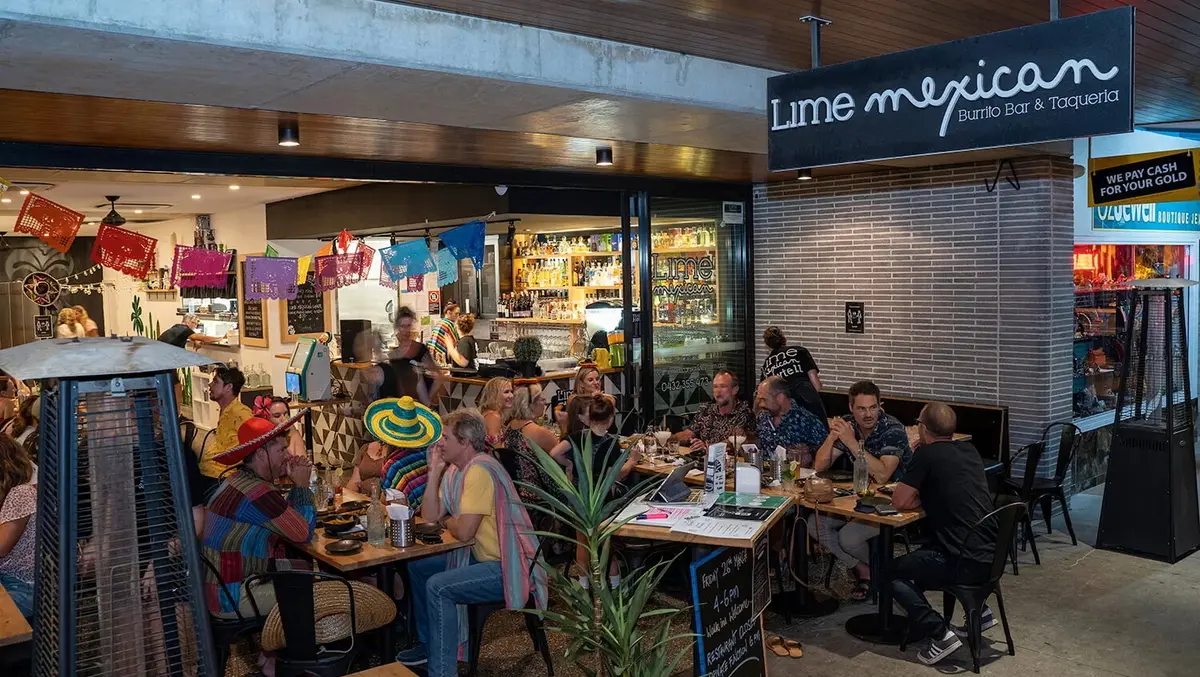
At Lime Mexican in Sawtell, New South Wales, owner Matt Colgan uses Otto to manage phone traffic while staff focus on customers in the venue. The 120-seat restaurant offers dine-in, takeaway, delivery, catering, and functions, creating a steady flow of calls during service.
"The ability to take my staff away from the phone and let them focus on the customers who are in the restaurant is fantastic," said Matt Colgan.
Colgan said the system helps the restaurant handle takeaway orders, table booking enquiries, and general questions, with information moving directly into the venue's workflow.
"We're able to integrate ordering as well as general messaging around table bookings, and any other enquiries just come straight out from the printer," said Colgan.
He said the technology is designed to support staff rather than replace them in a labour market where recruitment remains difficult.
"In a restaurant world where it's really hard to get staff, Otto is just going to help those staff that are there," said Colgan. "Not to replace staff, just to help them."
Hautot said restaurants want tools that work with their existing systems rather than forcing expensive technology changes. "Venues do not want to rip out the systems they already trust just to use AI," she said. "Australian hospitality runs on best-of-breed tech stacks. Otto's job is to fit into that reality, not force operators to compromise."
"Hospitality does not need AI for the sake of AI," Hautot said. "It needs AI that understands service, systems, and margins. That is what this partnership is about."